
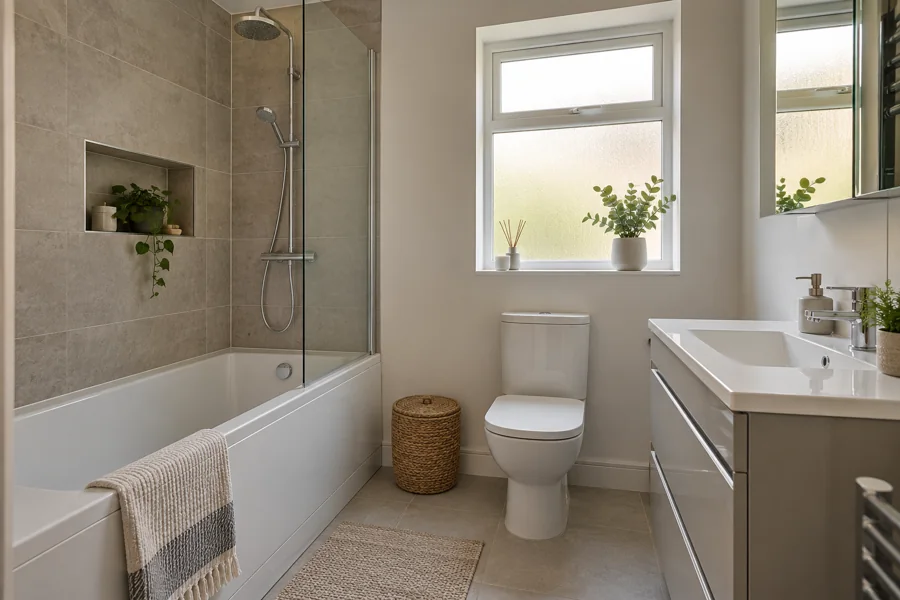
Begin with One Agreed Bathroom
Before fitting is arranged, the layout, main products and work need an understandable record. Check which choices remain open and who supplies each item. Products should be identifiable by their selected versions, not only by a picture that may represent several sizes.
Our bathroom installation service connects those selections to preparation and fitting. Discuss access, deliveries and the effect on facilities with the actual work in view. The useful starting point is one agreed room and a clear account of what happens around it, rather than a suite order with an unexplained fitting allowance.
Remove the Old Fittings and Review the Room
The old suite and agreed finishes need removing before some parts of the room can be checked properly. A previous alteration or damaged surface may become clearer at that stage. Tell us about any concern you already know of before work begins.
If further work is proposed after removal, ask for the finding and response to be explained. Agree the additional task and price effect before it proceeds. This keeps necessary repair distinct from an optional improvement you request, with the written record showing why the current work differs from the original plan.
Prepare for the Chosen Products
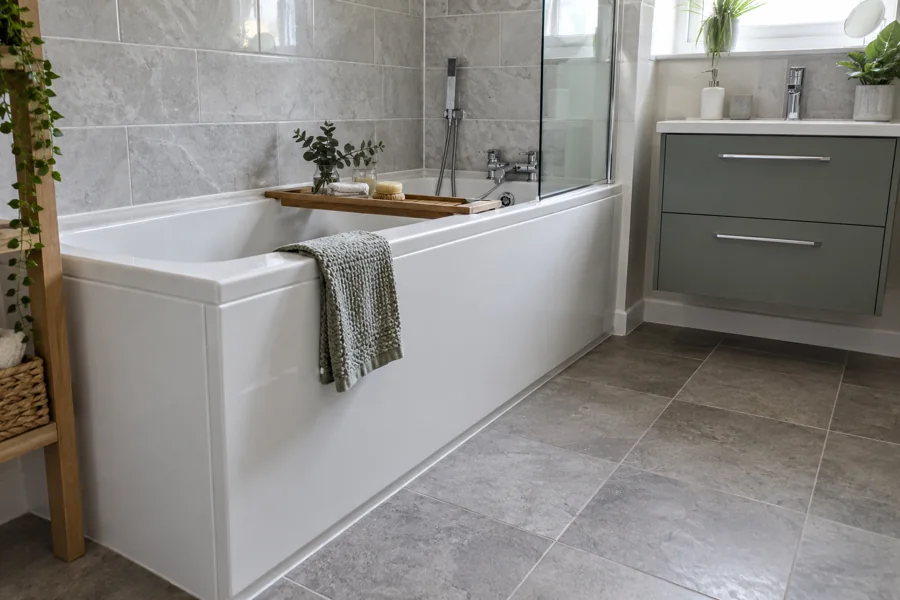
The agreed connections and surfaces need preparing for the bathroom selected. This work is linked to the layout, fittings and finish rather than a generic empty room. Ask which tasks are included and who arranges any specialist work within the proposal.
Some materials need time before the next task or normal use. Discuss the proposed sequence for the actual products rather than build household plans around a fixed number of days from another job. You are not expected to direct technical installation yourself; you need a clear explanation of the work and the practical arrangements it creates.
Bring the Finishes and Fittings Together
Walls, flooring and the suite are fitted in the sequence needed for the room. The important point for a homeowner is that their meeting points are understood: the bath or tray edge, doorway and areas around furniture all belong to the completed result.
Keep agreed accessory positions available before fixing decisions are made. If you reconsider a product or finish during this stage, ask what the change affects before treating it as a straightforward swap. A similar appearance may hide a different size or fitting requirement, so the current specification remains useful even after work has started.
Check the Agreed Work
Completion includes checking the fitted products and agreed finishes, not simply removing tools. Review the room against the current proposal and ask about anything you do not understand. A clear description is more useful than a vague comment that something does not seem right.
The quotation checklist explains why the products, preparation and finishing tasks should remain identifiable. Keep that information available for this discussion. It provides a shared record of the room being completed without asking you to inspect concealed work or diagnose a technical issue yourself.
Keep the Home Practical During Fitting
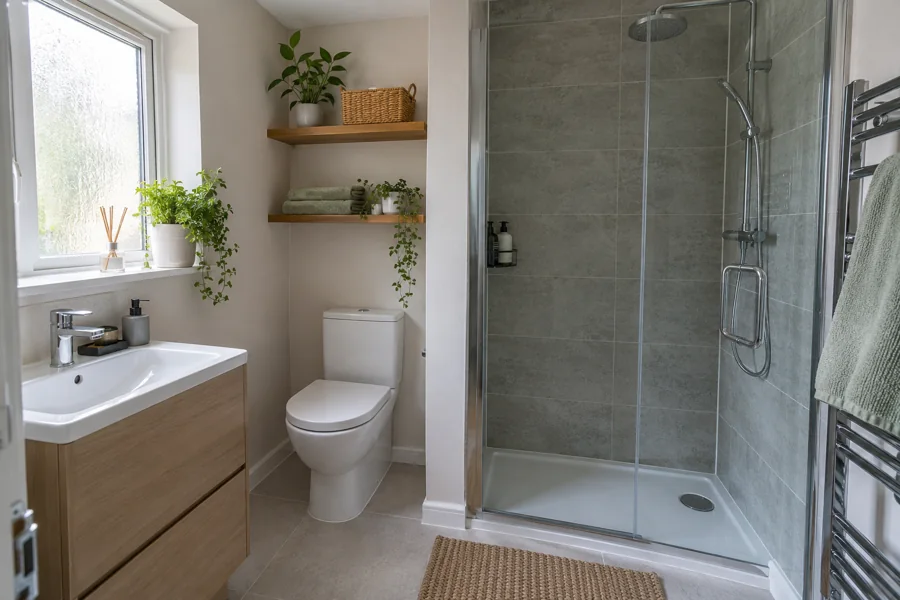
Clear personal belongings from the agreed work area and keep daily essentials somewhere accessible. Discuss where products can wait and how materials and waste move through the home. Mention shared access, stairs or restrictions that affect that route before the work is organised.
Keep children and pets away from the fitting area. If this is your only bathroom, the only-bathroom renovation guide covers the household questions in more detail. These arrangements support the technical sequence; they should not be assumed from a product choice or copied from another home's experience.
Handle Questions Through a Clear Contact
Agree who can answer product and work questions, especially if the people making decisions will be away. That person needs the current choices available and must understand which changes need discussion. A message passed through someone else should not leave the work relying on an uncertain answer.
If an issue changes access or facilities, update the practical arrangements too. Keep the quotation and revisions together so the current job is clear. This communication stage is about decisions during fitting, separate from the original specification and from learning the controls at handover.
Learn the Room You Will Use
Ask how the shower controls, screen and other unfamiliar features work. Keep the relevant product information and care instructions. Different finishes may need different cleaning products, so follow the guidance for the supplied items rather than assuming the old routine suits everything.
Also ask when the bath, shower and surfaces can be used. A finished appearance alone is not the instruction for first use. This conversation helps you become comfortable with the bathroom and its upkeep; it is a practical explanation of the fitted room, alongside the separate check that the agreed work is complete.
Make Outstanding Items Specific
If anything remains to be finished or adjusted, record the item and location clearly with the agreed next step. A missing handle, a product question and incomplete fitting work are different matters. Keeping them specific makes the follow-up conversation easier than one broad note about finishing touches.
Keep that record with the proposal and useful product information. Know whom to contact if you notice an issue after normal use begins, and describe what happens without attempting a technical diagnosis. The installation should leave an understandable room and a clear route for questions, rather than rely on remembering every discussion from earlier stages.
Discuss Your Installation
Tell us about the Coatbridge bathroom you want to change. We can discuss design, supply and fitting with the work and household arrangements explained for the actual room.